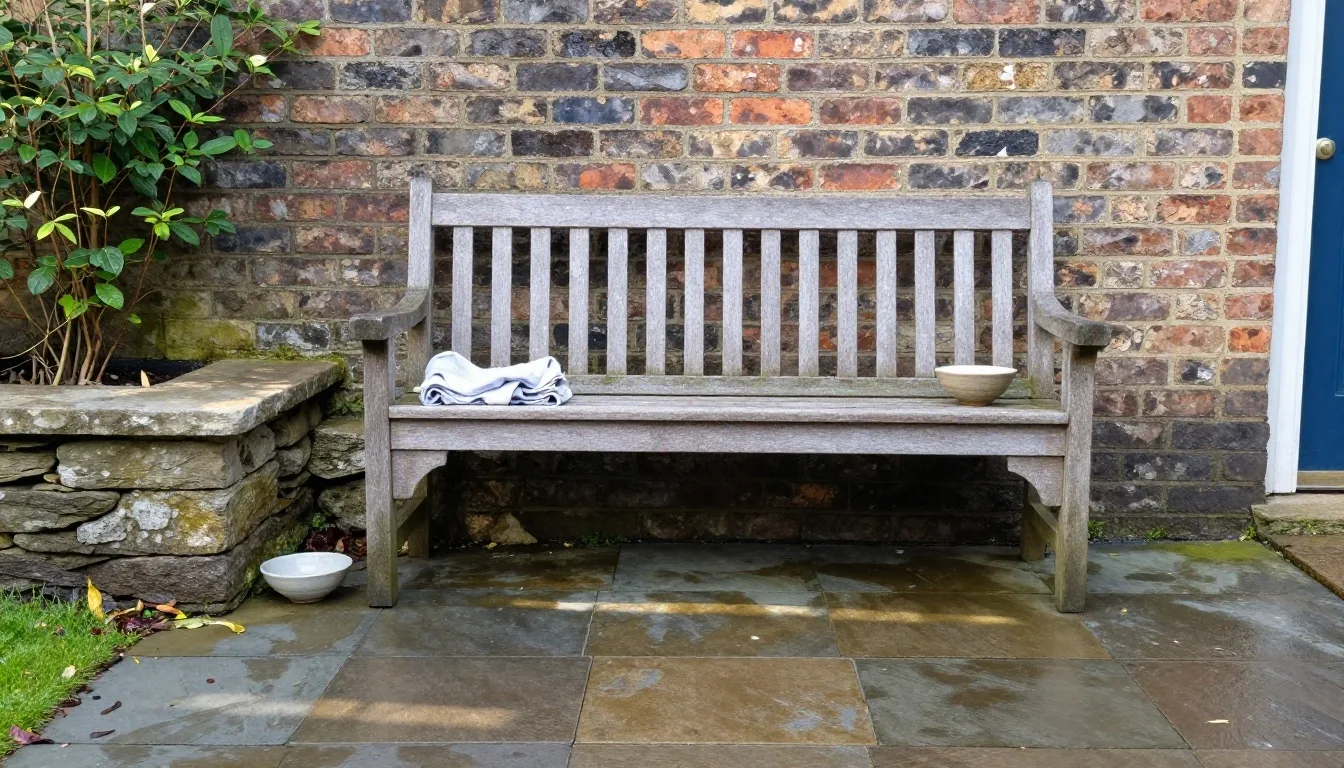
A garden bench and stone sill in early morning light, with a folded cloth and ceramic bowl left on the ledge

Longevity and body care

Daily habits that support long-term wellbeing

What to keep doing in your forties, fifties and beyond — and how to make it fit an ordinary UK week.

Longevity advice often arrives as a supplement list or a promise. The habits that hold up over decades are less exciting: enough protein, a bit of strength work, sleep you protect, and attention to the body you actually live in. This page covers what to keep doing in your forties, fifties and beyond, and how to make it fit an ordinary week.

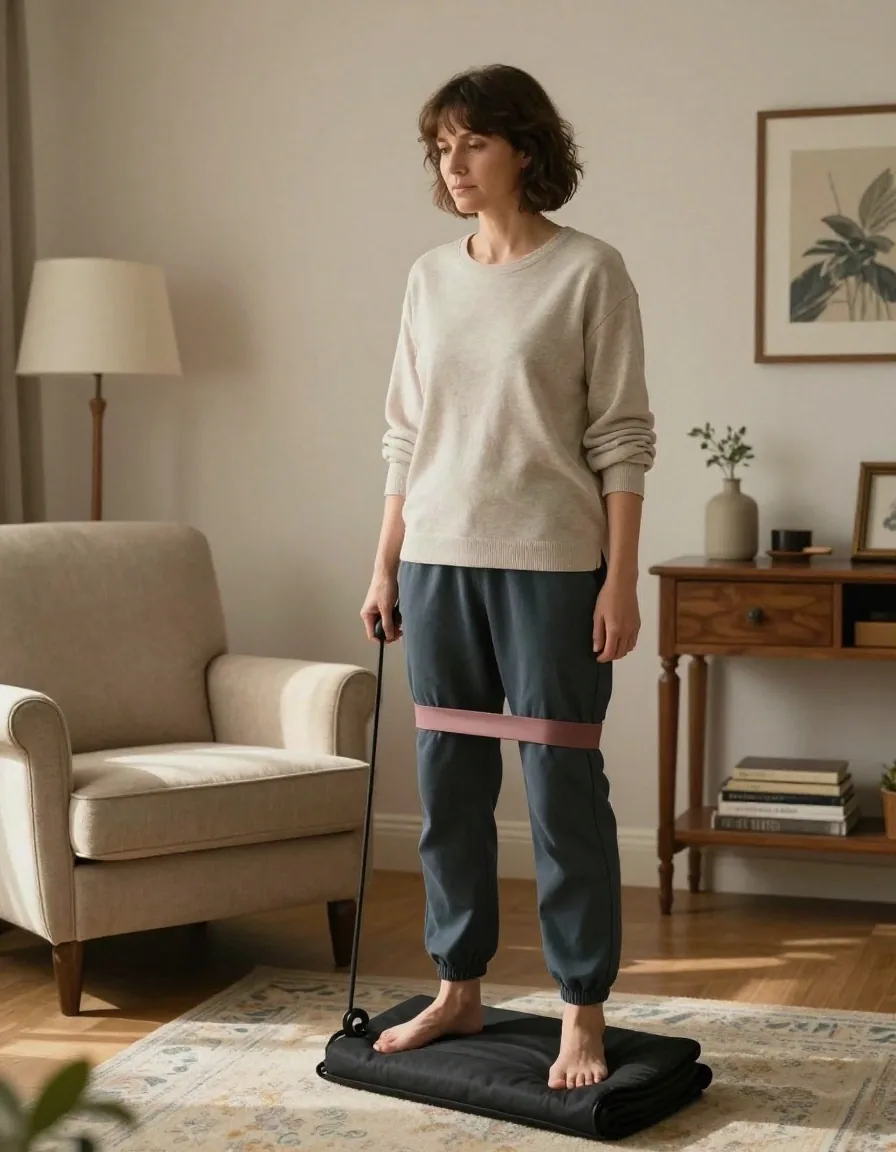
A woman in her fifties holding a band-resisted balance position beside an armchair in a living room

Two short sessions at home, using bodyweight and a resistance band, are enough to load the muscles that carry everyday tasks.

Where most plans come apart

Muscle, strength and the part people skip

Muscle mass declines gradually from midlife, and it is one of the strongest predictors of how well people manage everyday tasks later on. Two short strength sessions a week, using bodyweight, bands or whatever is at home, make a real difference. This is also why protein matters more as you age, not just for athletes in their twenties.

  • Squat to a chair. Stand up and sit down slowly, eight to twelve times, and you have trained the movement that gets you off the floor and out of a car.

  • Carry something heavy. A shopping bag in each hand for the length of the hallway keeps grip and posture honest — grip strength tracks closely with how independently people live.

  • Use the stairs. Stairs are free resistance training with a balance component built in, which matters more each decade.

If you have not trained for years, start with one session a week and add the second after a month. Soreness that settles within two days is normal; sharp pain during a movement is not, and it belongs in a conversation with your GP rather than a heavier band.

Food, not a shopping list

Protein and bone health after fifty

Most people do well with protein at each main meal rather than all at once. Eggs, fish, dairy, beans and lentils all count — the point is spreading it across the day, not buying a tub of powder.

A palm-sized portion at three meals

Two eggs at breakfast, a portion of fish or beans at lunch, and something from the dairy or pulse family at dinner is a workable pattern for most adults. It is also cheaper than a supplement habit, and it arrives with the calcium, iron and fibre that pills do not carry.

If your appetite has shrunk, small and frequent beats one large plate. A spoon of Greek yoghurt or a handful of nuts is a legitimate way to close a gap.

Appetite changes, dental work and some medicines all affect how much protein a person actually eats — worth mentioning at a routine appointment.
Calcium, vitamin D and the UK winter

Calcium and vitamin D matter for bone health, and in the UK the winter months give little useful sunlight, which is why many adults take a vitamin D supplement between roughly October and March. Your GP can advise on what suits you.

What a bone-friendly day looks like

Milk in your tea, a yoghurt after lunch, tinned sardines on toast once a week, greens with dinner. Weight-bearing movement — walking, stairs, the strength sessions above — gives the bones a reason to hold on to what they have.

Easier to keep than to win back

Mobility, posture and joints

Mobility is easiest to maintain, not regain. A few minutes of stretching, a walk, and attention to how you sit at a desk go further than an occasional class.

Joints like movement and a healthy weight, and they dislike long sedentary stretches. Hours in one position, then one enthusiastic weekend, is the pattern that usually ends in trouble.

Stand up every hour

Two minutes on your feet resets hip and lower-back position. A kettle boil is a reliable trigger if you work from a desk.

Walk before you stretch

Cold stretching is where people pull things. Ten minutes of walking first makes the same routine noticeably more comfortable.

Know when it is not a stretching problem

If a joint is persistently painful or swollen, that is a GP conversation rather than a stretching plan. Stretching a hot, swollen joint tends to make the week worse, not better.

The practical kind

Skin, feet and everyday body care

Body care here means the practical kind: sunscreen through the year, feet that are checked and comfortable, posture that does not leave you stiff by evening. These are small routines with an outsized effect on comfort.

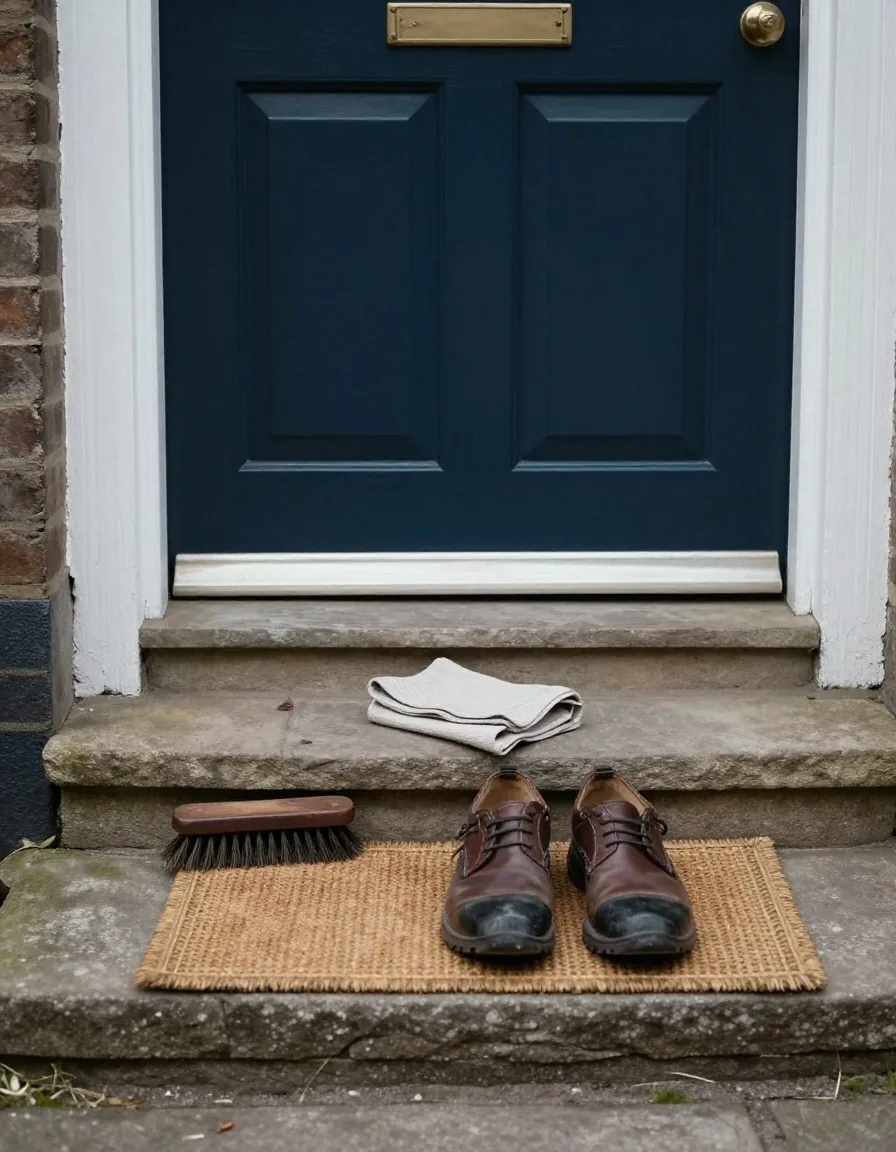
A shoe tray by a doorway with worn leather walking shoes, a brush and a folded cloth
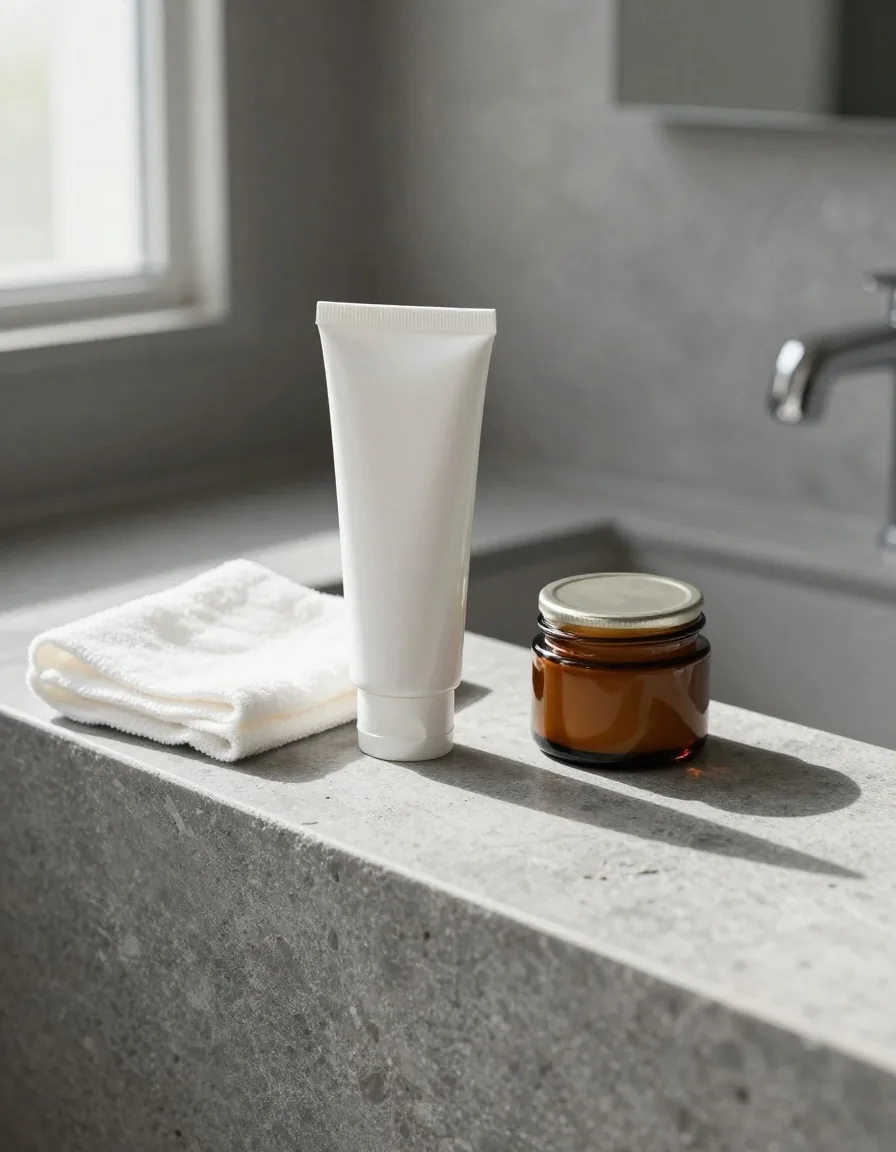
Everyday body care items arranged on a stone bathroom shelf in morning light
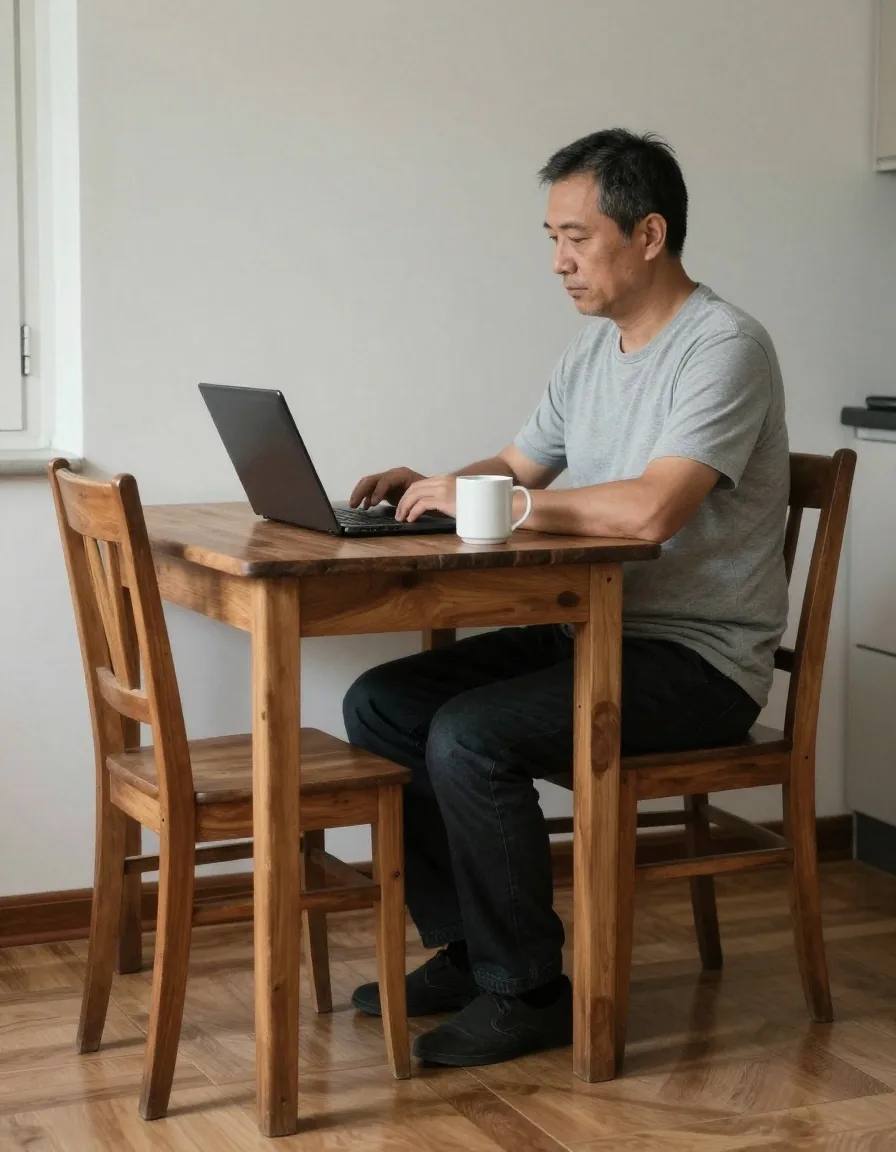
A man in his late fifties sitting upright at a kitchen table with both feet flat on the floor
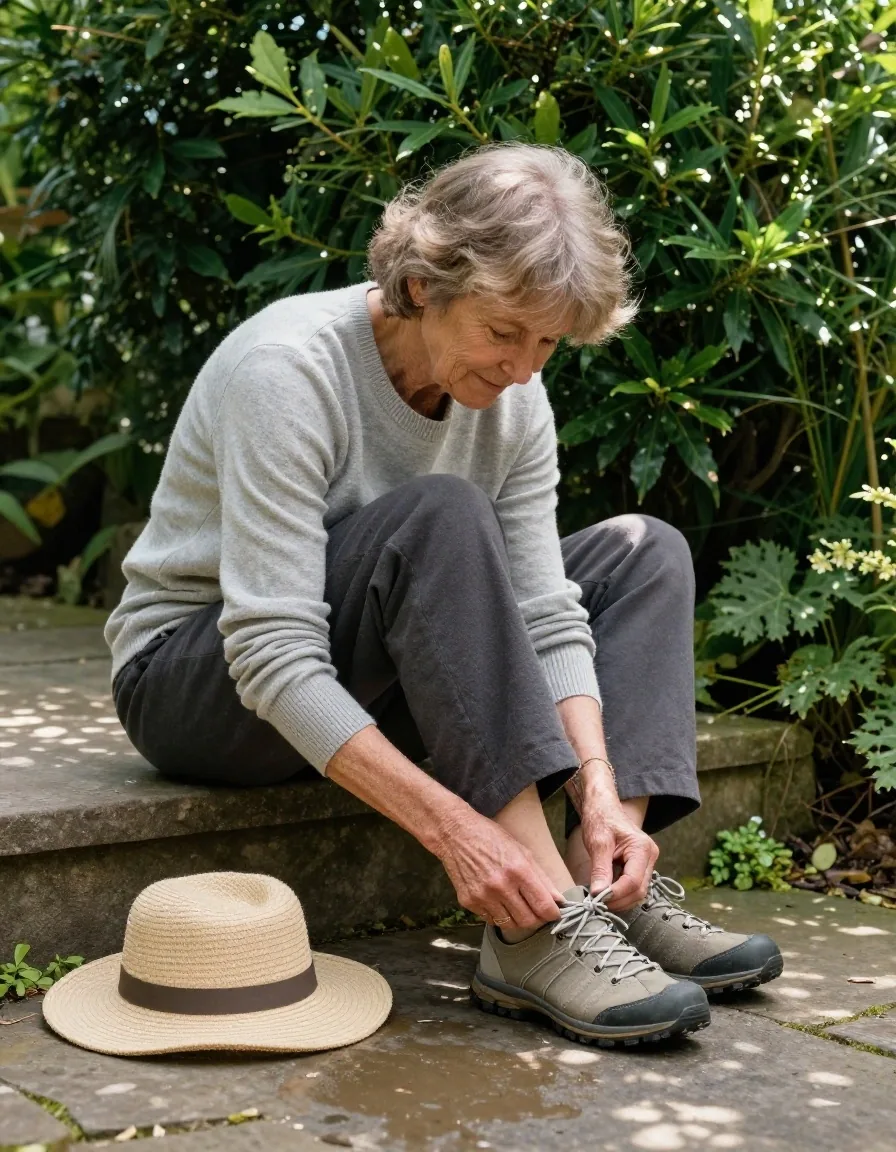
A woman in her sixties lacing walking shoes on a garden step before a morning walk
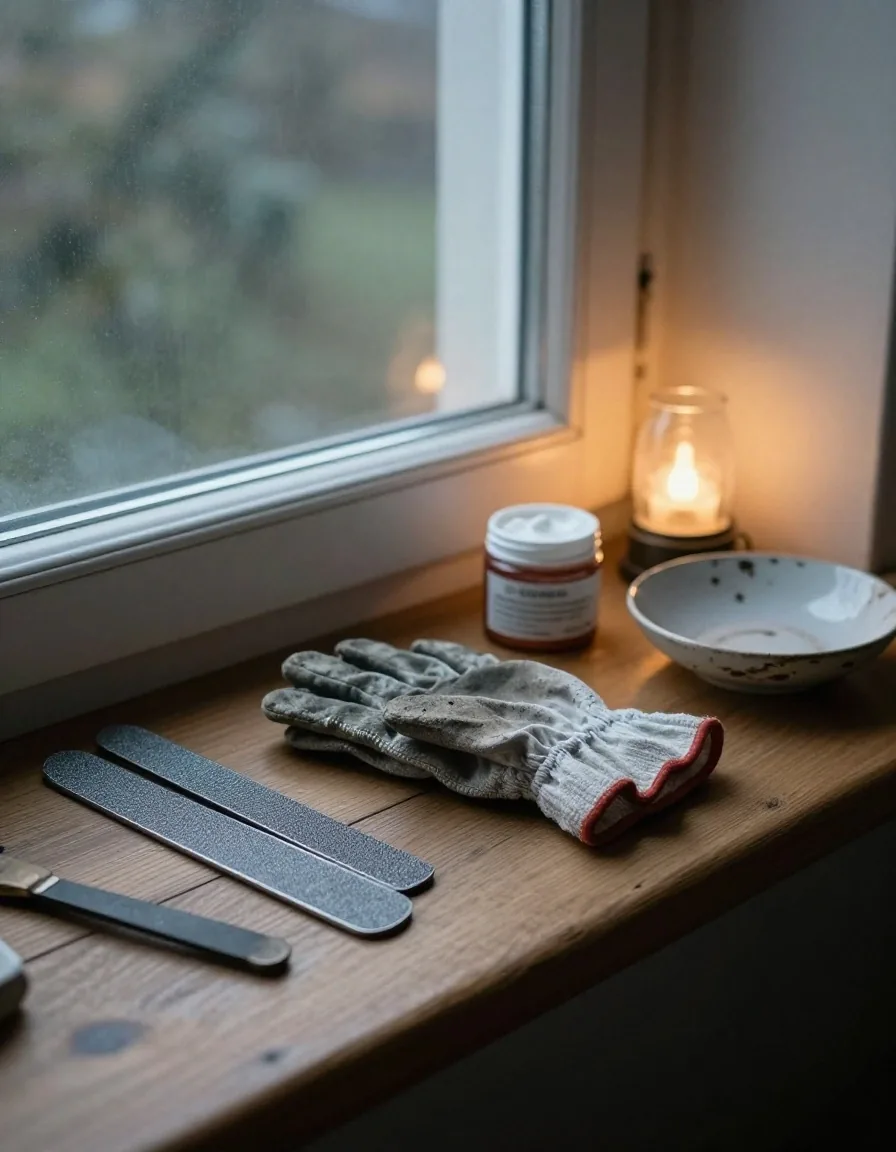
Simple hand and foot care items on a wooden windowsill in late afternoon light
A couple in their sixties walking side by side on a park footpath in early autumn

Feet in particular get ignored until something hurts, and shoe choice quietly shapes how far you walk each day. A pair that rubs at ten minutes is a pair that ends the habit by thirty.

Sunscreen on the face, neck and hands through the year — not just on holiday — is the one body-care routine with the widest evidence behind it.

Repair happens on a schedule

Why sleep belongs in longevity

Sleep is when the body does much of its repair, and the habits from our sleep guidance are the same ones that serve you at seventy. Consistent wake times, a dark room, less alcohol, and daylight in the morning. None of it is dramatic, and all of it compounds over years rather than weeks.

The reason sleep belongs on a longevity page is simple: it is the one habit that quietly decides whether the other three get done. A short night tends to become a skipped walk, a rushed meal, and a second coffee in place of lunch.

  • Same wake time, every day. Roughly tabular: seven mornings a week, and the weekend stops pulling your body clock backwards.

  • Daylight early. Getting outside within an hour of waking does more for the following night than any evening ritual.

  • A dark room and less alcohol. Both shorten the arousal that has you waking at three and lying there doing the arithmetic.

Read the sleep and recovery guidance

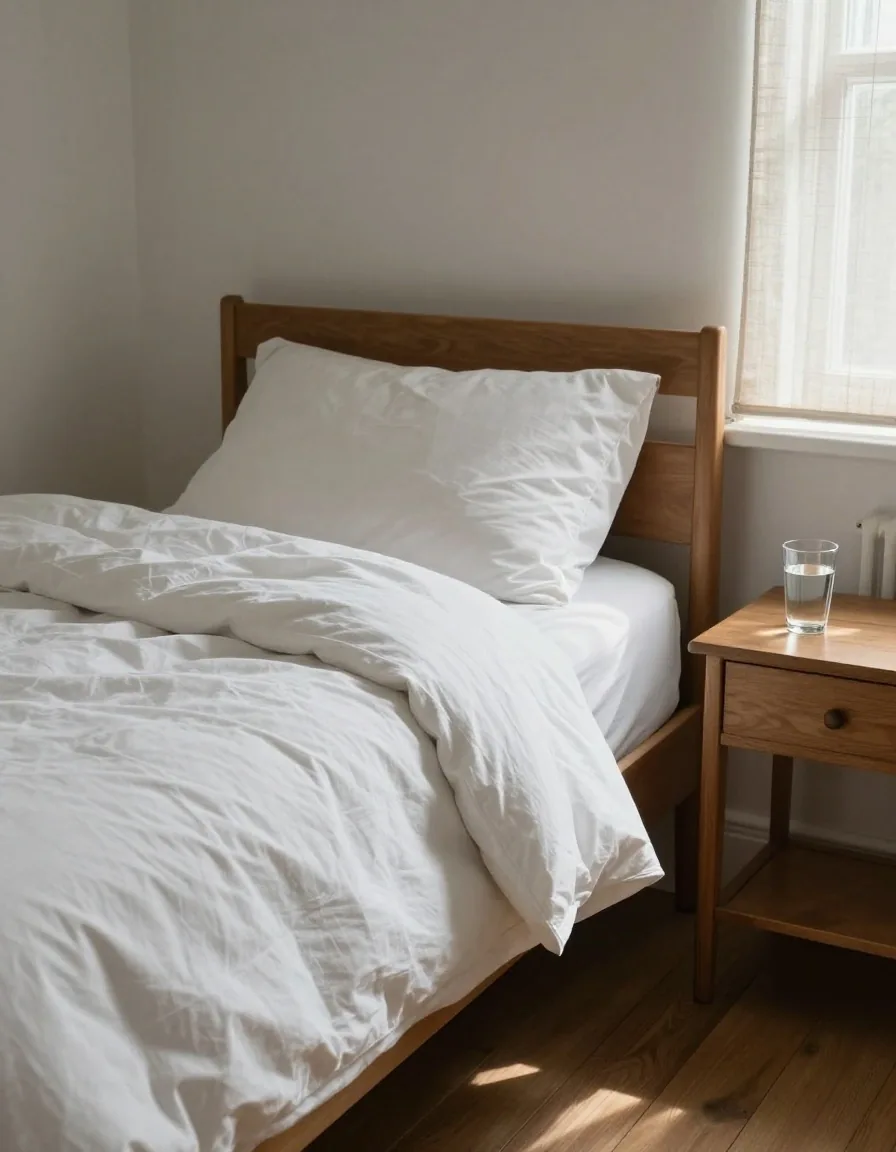
A plain bedroom at first light with a made bed, water glass and a half-drawn linen blind

Protecting a wake time is easier than fixing a bedtime — the morning anchors the whole day.

What we do not sell you

What we leave out, and why

We do not recommend buying your way to a longer life. Most supplements, aside from vitamin D in winter and anything your GP has advised, are not worth the money for a healthy adult. We are also sceptical of extreme diets, long fasts, and biohacking routines that would make an ordinary week miserable. Sustainable habits beat intense ones over a lifetime.

Supplement stacks. A cabinet of capsules rarely changes a decade. Vitamin D in the UK winter, and whatever your GP has specifically advised, is the honest shortlist.

Extreme fasting windows. Long fasts are hard to hold for a month, let alone a decade, and they tend to collapse into a rushed evening meal.

Restrictive elimination plans. Cutting whole food groups without a clinical reason usually costs more than it returns.

Tracking for tracking's sake. Numbers you never act on are a hobby, not a habit. If a measurement does not change what you do next week, it is not earning its place.

How we keep guidance useful explains where we draw the line between what is worth trying and what is not.

Two at a time

Making it fit a real week

Choose two habits and hold them for a month: two strength sessions, or a daily walk, or a regular bedtime. Add the next only when the first is automatic. Longevity habits are unglamorous and cumulative, which is exactly why they work. The people who do well at eighty are rarely the ones who did the most at forty, but the ones who never quite stopped.

Start here

The first month

One strength session and one walk, on days you already remember. Nothing else changes.

  • One strength session, 20 to 25 minutes
  • A walk most days, even a short one
  • Protein at each main meal
  • A wake time you keep across the weekend

Once the first is automatic

The months after

Add a second strength session, then a fixed bedtime. The order matters less than finishing one before starting the next.

  • Second strength session added
  • A bedtime that does not drift at weekends
  • Sunscreen and foot checks as routines, not reminders
  • Vitamin D through the winter months

Questions we get

Practical answers before you start

These come up in most consultations about longevity and body care. If yours is not here, the contact page is the better place for it.

How much strength work is actually enough in my fifties?

Two short sessions a week is the number most adults can hold for years, and holding it matters more than optimising it. Twenty to twenty-five minutes covering the legs, the back and a carry is a reasonable structure. If you are returning after a long gap or managing a condition, check with your GP before loading a movement that has been painful.

Do I need protein powder to get enough protein?

Not usually. Eggs, fish, dairy, beans and lentils spread across three meals cover most people comfortably. Powder is convenient on a rushed day, and it is fine as an occasional top-up, but it does not replace the calcium, iron and fibre that arrive with real food. If your appetite has dropped, or you follow a restricted diet, that is worth raising with your GP or a dietitian.

Is vitamin D worth taking all year in the UK?

UK guidance focuses on the winter months, roughly October to March, when sunlight is not strong enough to make it in the skin. Through the summer, a lot of adults get enough from ordinary time outdoors. Your GP can advise on what suits your situation, especially if you have a diagnosed deficiency or take other medication.

My knee hurts after walking. Should I stretch it more?

A joint that is persistently painful or swollen is a GP conversation rather than a stretching plan. Gentle movement generally helps stiff joints, but stretching into a hot, swollen joint tends to make the following days worse. Getting it looked at early usually means a shorter interruption to the walking habit you are trying to protect.

How long before I notice a difference?

Strength and balance change over weeks, not days; how you feel on stairs or getting out of a chair is the honest signal. Sleep and energy usually shift sooner once wake times settle. Longevity habits are unglamorous and cumulative, so the useful measure after a month is whether the habit is still happening, not whether you feel transformed.

Next step

Build the habits that still hold at eighty

Bring what you are already doing, and we will look at what deserves to stay. Consultations run Monday to Friday, 9:00 AM – 6:00 PM, and Saturday, 10:00 AM – 2:00 PM, at 35 Colmore Row, Business District, London, W1G 9PP.

Prefer to write? Email [email protected] or call +44 121 236 4981 during opening hours.